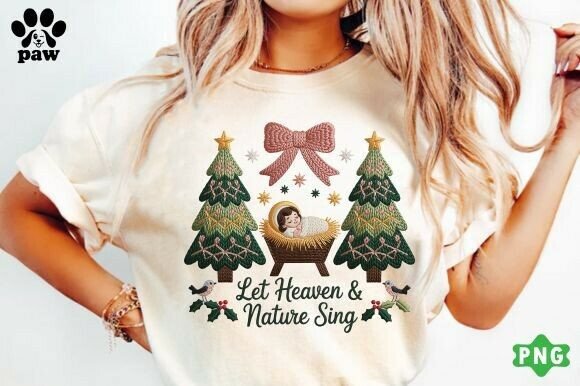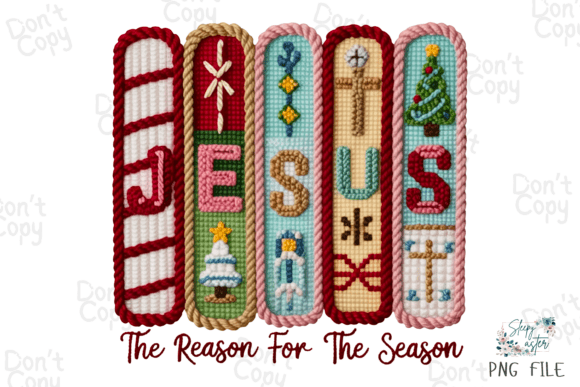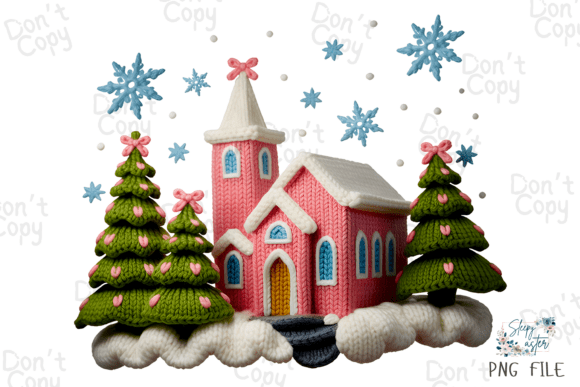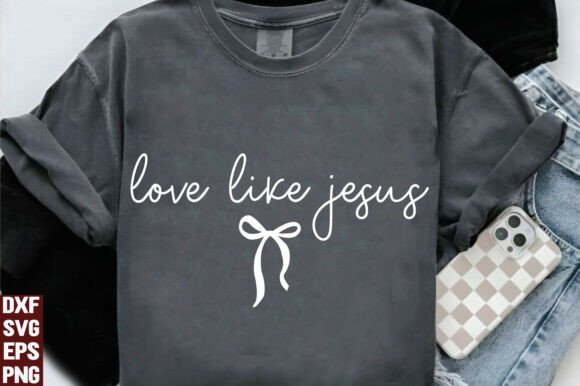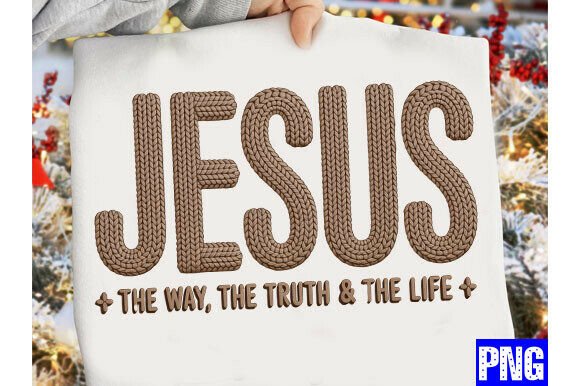
Lint Hook Yarn Faux Jesus the Way the T
A Designer’s First Glance: Warm, Textured, and Quietly Reverent
When I opened Lint Hook Yarn Faux Jesus the Way the T, what struck me first wasn’t religious symbolism—it was texture. The design carries the soft, slightly irregular rhythm of hand-latched yarn: gentle curves, open negative space, and a deliberate looseness in line weight. It doesn’t shout. It invites pause. As a designer who’s stitched hundreds of faith-based motifs—from bold cross appliqués to delicate script embroidery—I immediately sensed this isn’t meant for high-contrast corporate branding or dense satin-stitch logos. It belongs on something tactile, personal, and gently worn: think a linen tea towel for a church kitchen, a cotton baby onesie for a baptism gift, or a natural-fiber tote bag sold at a local artisan fair.
Where It Lives Best: Real Projects, Not Just Pixels
I tested Lint Hook Yarn Faux Jesus the Way the T on a midweight organic cotton sweatshirt—no stretch, no sheen—and the result felt honest. The yarn-like quality translated beautifully into fill stitch with moderate density; it didn’t flatten or blur. On that fabric, it read as handmade without looking unfinished. That’s rare. Most “faux latch hook” designs either oversimplify into cartoonish blobs or overcomplicate with tiny, un-stitchable knots. This one walks the line. I also stitched it as an embroidered patch on twill-backed denim—ideal for aprons or backpacks—and the shape held its integrity even with slight fabric movement during hooping.
It shines brightest on products where intention matters more than impact: nursery wall hangings, communion keepsake pillows, small-batch holiday gifts (think “Advent Week 3” tea towels), or boutique-branded kitchen linens. For Etsy sellers, it’s a quiet differentiator—less “trendy,” more “thoughtfully made.” Customers browsing handmade shops respond to sincerity in stitch, and Lint Hook Yarn Faux Jesus the Way the T delivers that without leaning on cliché.
Where Caution Is Needed: Texture Meets Reality
This design isn’t built for every surface. On thin or highly textured fabrics—like slubbed linen napkins or fleece-backed baby blankets—some of the finer yarn loops risk getting lost or snagged. I wouldn’t use it on stretchy jersey tees without significant digitizing adjustments: the open structure needs stable ground. And while it reads clearly on light fabric, on deep charcoal or navy, you’ll need higher-contrast thread (cream instead of ecru, for example) or a light underlay to preserve legibility. Curved surfaces—caps or curved pillow edges—also demand careful placement; the asymmetry of the “T” base means centering requires visual judgment, not just grid alignment.
Don’t assume it scales down cleanly. At under 3 inches wide, the inner details—the subtle taper of the “J,” the spacing between “the” and “Way”—start to compress. If you’re planning baby embroidery or cap front work, test it at your target size *before* cutting fabric. Also note: because it leans into yarn texture, dense fill areas (like the lower curve of the “J”) may benefit from reduced stitch density or a lightweight cutaway stabilizer—not just tear-away—to prevent puckering on softer weaves.
Design Integrity & Customer Trust
What makes Lint Hook Yarn Faux Jesus the Way the T stand out commercially isn’t novelty—it’s coherence. It looks like part of a collection, not a standalone clipart file. When used across a small shop’s product line (e.g., matching tea towel + apron + pillow cover), it builds brand consistency through shared texture and restraint. That cohesion signals professionalism to buyers—even if they can’t name why. For craft business owners, that quiet confidence translates directly to perceived value. A customer paying $48 for a hand-embroidered kitchen towel expects reverence in execution, not just subject matter. This design supports that expectation—if you honor its intent.
It also avoids visual fatigue. Unlike tightly packed script or high-saturation icons, it breathes. That matters for personalized gifts: a baptismal gift with this motif feels contemplative, not decorative. And for digital product sellers offering embroidery files, its niche clarity helps with targeted listings—pair it thoughtfully with “nursery decor,” “faith-based handmade,” or “slow craft apparel,” not generic “Christian t-shirt designs.”
Practical Designer Notes Before You Stitch
- Always test on scrap fabric first—especially if using textured or dark backgrounds.
- Review thread color contrast: cream, oat, or heather gray often reads warmer and truer than stark white on natural fibers.
- Check stitch density in the “Way” section—some versions of this motif pack too much fill into narrow bands, risking stiffness.
- Confirm hoop size compatibility: the design’s width likely fits standard 4x4 hoops, but verify before production runs.
- Inspect small details at actual stitch-out size—zoom in on your embroidery software preview to catch potential fraying points.
- Test black-and-white mockups: if it loses shape or meaning without color, adjust underlay or simplify.
- Compare performance on light vs. dark fabric digitally *and* physically—light background isn’t always the safest choice for readability.
- Use proper stabilizer: medium-weight cutaway for knits, lightweight tear-away for stable wovens.
- Confirm licensing terms before selling finished items or bundling the embroidery file—especially for commercial embroidery or digital resale.
Final Thought: A Design That Earns Its Place
Lint Hook Yarn Faux Jesus the Way the T won’t dominate a trade show booth. But it will earn repeat orders from customers who value quiet craftsmanship over loud graphics. It works best when treated as a tactile detail—not a headline. Whether you’re an Etsy seller building a seasonal collection, a church craft team embroidering volunteer gifts, or a small-batch apparel decorator curating meaningful merch, this design rewards intentionality. Use it where stitch quality is visible, where fabric matters, and where the person receiving it feels seen—not preached to. That’s how good embroidery design earns trust, one thoughtful stitch at a time.